
Have you ever typed “trama” and wondered if it’s actually correct, or just a typo for “trauma”? You’re not alone. The confusion around trama vs trauma is surprisingly common, especially in fast typing or casual writing.
In this guide, we’ll clear up the difference, explain the correct spelling, and help you avoid mistakes. Along the way, we’ll also touch on similar spelling confusions—like offerred or offered—to sharpen your overall writing accuracy.
Trama vs Trauma: What’s the Difference?
Let’s start with the basics:
- Correct word: trauma
- Incorrect (in most cases): trama
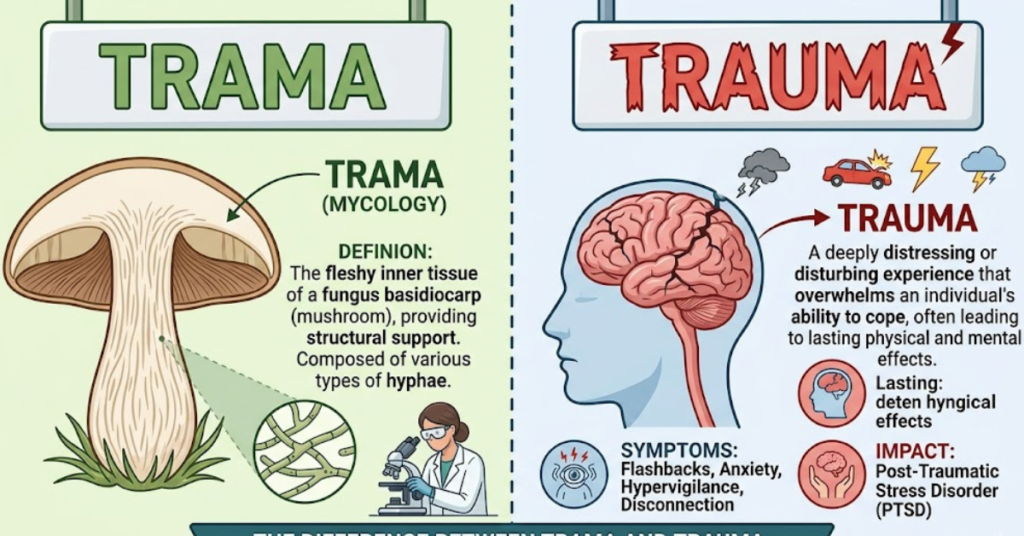
“Trauma” is a widely used English word, while “trama” is typically a misspelling or appears in other languages (like Spanish or Italian, where it can mean “plot” or “weave”).
What Does Trauma Mean?
“Trauma” refers to:
- Physical injury (e.g., head trauma after an accident)
- Emotional or psychological distress caused by a disturbing experience
Examples:
- He suffered emotional trauma after the incident.
- The doctor treated her for minor physical trauma.
Why Do People Confuse Trama and Trauma?
The mix-up between trama vs trauma usually comes down to simple typing habits.
Common Reasons
- Missing the letter “u” while typing quickly
- Autocorrect errors or language settings
- Influence from other languages where “trama” is valid
This is similar to mistakes like offerred or offered spelling, where small letter differences lead to incorrect forms.
Is “Trama” Ever Correct?
In English writing, “trama” is almost always incorrect. However, there are a few exceptions:
- In Spanish or Italian, “trama” can mean:
- The plot of a story
- A woven structure or pattern
If you’re writing in English, though, you should stick with trauma when referring to injury or distress.
Trama vs Trauma in Everyday Writing
Using the correct spelling matters more than you might think.
Why Accuracy Counts
- Improves clarity in communication
- Builds trust with readers
- Prevents confusion in serious contexts (especially medical or psychological topics)
Just like knowing is it offerred or offered, understanding the right spelling of “trauma” helps maintain professionalism in your writing.
Quick Tips to Avoid the Mistake
Here are a few simple ways to remember the correct spelling:
- Think of “u” for “upset” — trauma often relates to distress
- Double-check words that look slightly off
- Use spell check, but don’t rely on it blindly
- Practice commonly confused words, including:
- trama vs trauma
- offerred or offered
Common Examples of Correct Usage
To make things clearer, here are some correct examples:
- She is recovering from emotional trauma.
- The accident caused severe physical trauma.
- Therapy can help people heal from past trauma.
Incorrect:
- She is recovering from emotional trama.
Related Spelling Confusions to Watch
If you’ve struggled with trama vs trauma, you might also encounter similar issues:
- offerred or offered uk
- offerred or offered spelling
These mistakes often follow the same pattern: small spelling differences that change correctness. Paying attention to these details can significantly improve your writing.
FAQs
What is the difference between trama vs trauma?
“Trauma” is the correct English word referring to injury or distress. “Trama” is usually a misspelling in English.
Is “trama” a real word?
Yes, but mainly in other languages like Spanish or Italian. In English, it’s generally incorrect.
Why do people misspell trauma as trama?
It often happens بسبب fast typing, missing letters, or language influence.
How can I remember the correct spelling of trauma?
Remember that “trauma” includes a “u,” which helps distinguish it from the incorrect “trama.”
Are mistakes like trama vs trauma similar to offerred or offered?
Yes, both involve small spelling errors that can easily slip through but affect correctness.
Conclusion
The confusion between trama vs trauma is common, but easy to fix once you know the difference. “Trauma” is the correct spelling in English, used to describe physical or emotional injury, while “trama” is typically a typo or a word from another language.
Paying attention to these small details—just like with offerred or offered—can make your writing clearer and more professional. If you want to keep improving, start noticing other commonly confused words and practice using them correctly in everyday writing.