
A residential roof does more than cover a house; it protects the people, belongings, comfort, and value inside it. When homeowners choose reliable roofing contractors, they are choosing careful planning, steady workmanship, honest communication, and roofing solutions that support the home for years. Residential roofing requires attention to weather exposure, roof age, ventilation, drainage, materials, and the daily needs of the household. A dependable contractor does not treat every property the same. Instead, the work begins with understanding the condition of the roof and the goals of the homeowner before any repair or replacement decision is made.
A practical look at dependable roofing care.
A Roof Shapes Daily Home Comfort
The roof plays a direct role in how comfortable and secure a home feels throughout the year. A weak roofing system can allow heat loss, moisture entry, mold growth, stained ceilings, damaged insulation, and rising energy use. Reliable roofing contractors look beyond the surface and consider how the full roofing system supports the property. This includes shingles, flashing, underlayment, gutters, attic airflow, roof decking, and the areas where water may collect or escape. For homeowners comparing bronx roofing contractors, the right choice should be based on clear inspection practices, transparent recommendations, and a willingness to explain why certain repairs or materials are suitable for the home. Residential roofing is not only about fixing visible damage. It is also about preventing smaller problems from becoming costly structural concerns. When the roof is handled with care, the home feels safer, cleaner, and better prepared for changing weather conditions.
Clear Evaluation Before Work Begins
A dependable residential roofing project should always begin with a careful evaluation. Homeowners may notice missing shingles, leaks, sagging areas, dark patches, loose flashing, or granules collecting near downspouts, but many roofing concerns are not easy to see from the ground. Reliable contractors inspect the roof surface, attic space, ventilation points, drainage paths, and problem areas around chimneys, skylights, vents, and valleys. This evaluation helps determine whether the home needs a minor repair, a partial replacement, or a full roofing installation. A rushed opinion can lead to unnecessary spending or unfinished protection, which is why the inspection stage matters so much. Homeowners benefit when contractors explain the condition of the roof in plain language, provide photos when possible, and outline realistic options. This creates trust and helps the property owner make a confident decision. A clear evaluation also allows the project timeline, material needs, and cost expectations to be understood before the work begins.
Materials Matched to the Home
Residential roofing materials should be selected according to the home’s structure, climate, appearance, slope, budget, and long-term maintenance needs. Asphalt shingles remain common because they are practical, widely available, and suitable for many homes, but other options may also be considered depending on the property. Some homeowners may want stronger resistance against storms, while others may focus on energy efficiency, curb appeal, or longer service life. Reliable roofing contractors help homeowners compare materials without pushing choices that do not match the roof’s actual needs. They consider how the selected material will perform with the existing decking, ventilation, and drainage setup. Color, texture, and profile also matter because the roof strongly affects the appearance of the entire home. A well-matched roofing material can improve both protection and visual value. Careful material planning also reduces the chance of early wear, uneven performance, or repairs caused by products that were not suitable for the property.
Workmanship That Protects the Structure
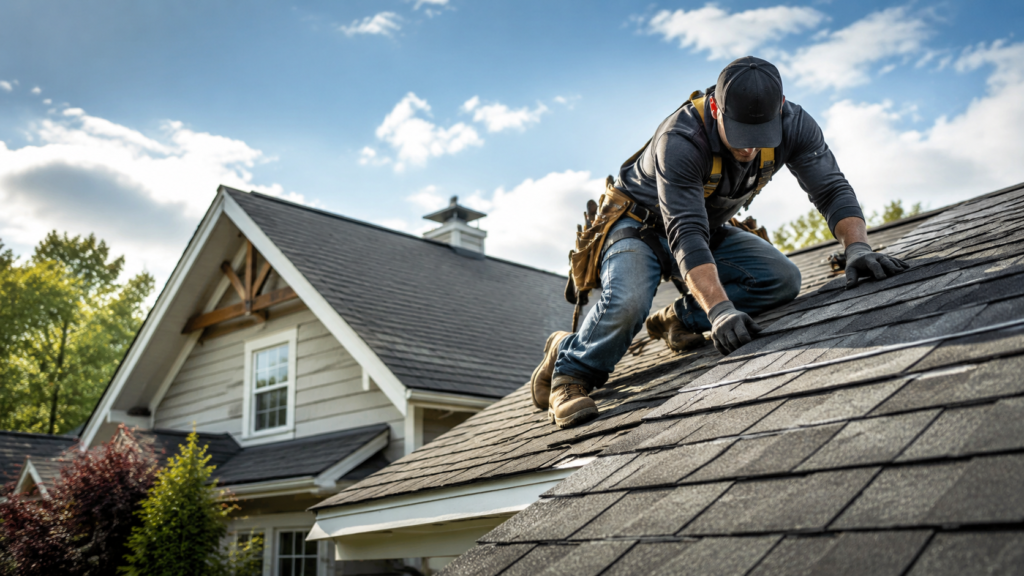
Even strong roofing materials can fail when installation is handled poorly. Residential roofing depends on correct nailing patterns, proper flashing placement, clean underlayment application, secure sealing, accurate ventilation balance, and careful attention around roof penetrations. Reliable contractors understand that the quality of installation affects how well the roof handles rain, wind, heat, and daily exposure. Poor workmanship can create hidden leaks, lifted shingles, water trapped beneath roofing layers, and premature aging. A dependable crew works with patience, follows manufacturer guidelines, and keeps the job site organized so the home remains protected during the project. They also pay attention to safety, cleanup, and preventing damage to landscaping, siding, driveways, and outdoor areas. Homeowners should feel that the contractor respects the entire property, not just the roof. When workmanship is handled properly, the finished roof provides stronger protection and reduces the chance of repeated repair calls soon after installation.
Communication Throughout the Project
Strong communication is one of the most important signs of a reliable roofing contractor. Homeowners should know what work is being done, when the crew will arrive, how long the project may take, and what changes could affect the final cost or schedule. Roofing projects can involve unexpected findings, especially when old shingles are removed and hidden decking damage appears. A dependable contractor communicates these findings clearly instead of making confusing or sudden decisions. This helps homeowners stay informed and avoid frustration. Good communication also includes written estimates, clear warranty details, material explanations, payment terms, and project updates. Residential roofing work can disrupt daily routines, so homeowners appreciate contractors who respect timing, parking, noise concerns, and cleanup expectations. A smooth project depends not only on tools and materials but also on trust between the contractor and homeowner. When communication is steady from start to finish, the roofing process feels more organized and less stressful.
Long-Term Value After Installation
A reliable residential roofing project should continue to provide value after the crew leaves. Homeowners should understand how to care for the roof, when to schedule inspections, how to watch for warning signs, and how to keep gutters and drainage areas clear. Contractors who value long-term results often provide guidance on maintenance instead of treating the project as a one-time job. A properly installed roof can improve home appearance, support energy performance, reduce moisture risks, and increase buyer confidence if the property is sold later. Long-term value also comes from accurate documentation, warranty support, and materials that match the home’s needs. Residential roofing is a major investment, so homeowners should feel confident that the work was completed with care and accountability. When contractors focus on lasting performance rather than quick completion, the roof becomes a dependable part of the home’s structure and not just a finished exterior surface.
Conclusion
Reliable roofing contractors for residential roofing help homeowners protect one of the most important parts of their property. From inspection and material selection to installation, communication, and aftercare, dependable roofing work requires planning and responsibility. A strong roof supports comfort, safety, energy performance, and home value while reducing the risk of leaks and structural damage. Homeowners should look for contractors who explain the process clearly, respect the property, and focus on long-term results. With the right roofing support, a residential roof can remain durable, attractive, and ready to handle changing weather for years.