

Airflow Changes After Additions
- Small Additions Can Create Big Comfort Imbalances
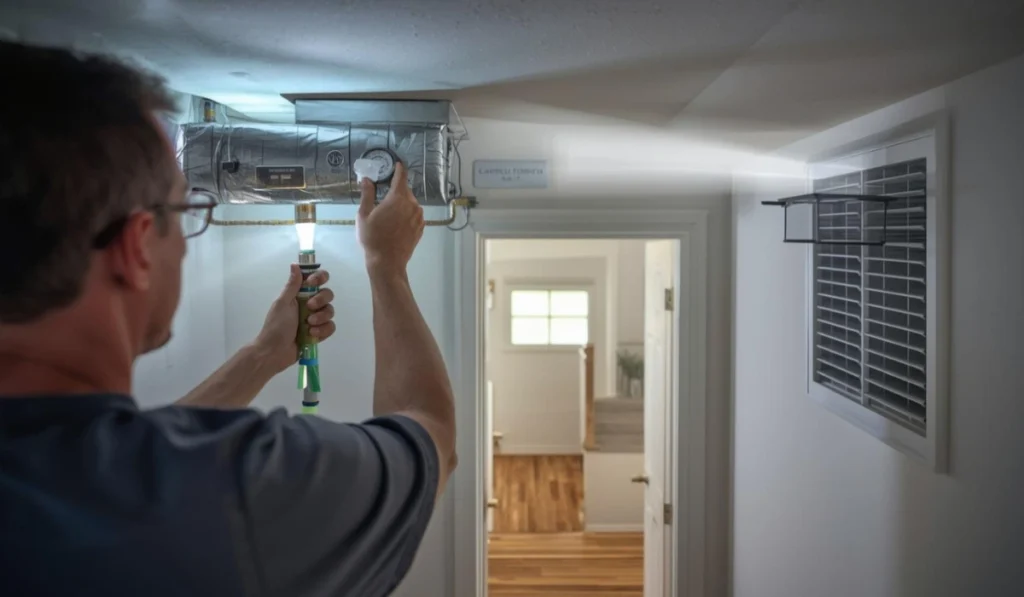
Short room additions often seem too minor to affect the entire heating and cooling system, but they can quietly change how air pressure and circulation work throughout the house. A breakfast nook, enclosed patio corner, mudroom extension, office alcove, or narrow sitting area may each add only a little square footage. Yet, each one changes the path that conditioned air follows. Over time, these spaces can pull comfort away from nearby rooms or trap airflow in places where it is no longer useful. An HVAC company helps identify these imbalances before they become permanent daily frustrations. Homeowners sometimes notice that one added room feels stuffy while the next one feels too cool, but the real issue is often that the system is still operating as if the older layout never changed.
- Existing Duct Paths May No Longer Match the New Layout
A home with multiple short additions often relies on ductwork designed for the original footprint, so the air distribution plan may no longer match how the house actually functions. One vent may now be expected to serve two separate areas, while another added room may receive only leftover airflow from a nearby branch. In these cases, the problem is not always the equipment capacity. It is often the path the air must follow after the home has changed shape. An HVAC company helps by reviewing how supply and return air move through the updated floor plan rather than assuming the old duct arrangement still makes sense. Homeowners looking into https://www.semperfiheatingcooling.com/heating-cooling-scottsdale-az/ may be trying to understand how airflow problems begin when small structural changes keep accumulating without the heating and cooling system being adjusted to match. Once the layout is reviewed as it exists today, the comfort problem usually becomes easier to understand.
- Return Air Problems Often Become More Noticeable in Added Spaces
Supply vents are not the only part of comfort that matters in short room additions. Return air is just as important, and many additional rooms can feel uncomfortable because air has a harder time leaving the space than entering it. A room may receive some cooled or heated air, but if that air cannot circulate back through the system properly, the space can feel stale, trapped, or uneven. This becomes more common when doors are kept closed, hallways are shortened, or old open areas are divided into separate rooms. An HVAC company helps by identifying whether the room additions have weakened the return side of the air cycle. That matters because a room without enough return support may never feel balanced even if the supply vent seems active. Better airflow depends on a full cycle, and homes with several short additions often gradually lose that balance without homeowners realizing that the return path has become part of the problem.
- Airflow Repair Helps Nearby Rooms as Well as the Additions
One of the biggest misconceptions about short room additions is that the comfort issue stays limited to the new spaces. In reality, when airflow weakens in one additional room, nearby rooms often begin to change too. The dining area may lose airflow because more of it is being pulled toward a converted sitting room. A hallway may feel stagnant because a former opening now ends at a closed office. A bedroom may become warmer because the house is trying to compensate for an addition with poor circulation. An HVAC company helps improve airflow not only by focusing on the problem room, but also by seeing how those smaller additions affect the connected parts of the house. This wider approach is important because comfort issues in altered homes are rarely isolated. Repair and adjustment work can help restore a more even distribution of air, so the added spaces and the original rooms one longer compete for the same limited airflow.
- Better Balancing Helps the House Feel Like One System Again
Homes with multiple short additions often stop feeling like one continuous indoor environment. Instead, they begin to feel like a series of separate pockets, each with a different temperature, airflow level, or comfort pattern. One added room may feel warm in the afternoon, another may stay chilly, and the original part of the home may cycle unevenly because the system is struggling to serve a layout it was never adjusted to handle. An HVAC company helps restore balance by treating the house as one connected system again. That may involve adjusting dampers, correcting duct restrictions, improving vent placement, or reviewing how air is being divided across the property. These changes matter because comfort improves when the system no longer favors some sections while neglecting others. A better-balanced house feels more natural to live in, especially when the additions are used regularly for work, family routines, or everyday movement through the home.
Better Airflow Makes Small Additions Feel Fully Integrated
An HVAC company helps improve airflow in homes with multiple short room additions by identifying how those smaller spaces have changed pressure, circulation, supply balance, and return performance throughout the whole house. What seems like a series of minor construction changes can create major comfort differences once the air system is forced to serve a layout it was never updated to match. By reviewing the new floor plan, correcting weak airflow paths, and balancing the system more carefully, the house can feel more even and more connected again. That makes the additions feel like real parts of the home rather than isolated rooms that never quite feel comfortable.