


The global commercial baking industry is changing fast, and there is always something new happening. Whether you are setting up a brand-new shop or upgrading an old kitchen, choosing the right equipment isn’t just about looks—it completely changes your daily workflow and the quality of your food.
When you take food prep to a commercial level, you need machines that work with total accuracy. It’s no longer just about following a simple recipe it’s about making that same recipe hundreds or thousands of times without losing the taste, texture, and look your customers love.
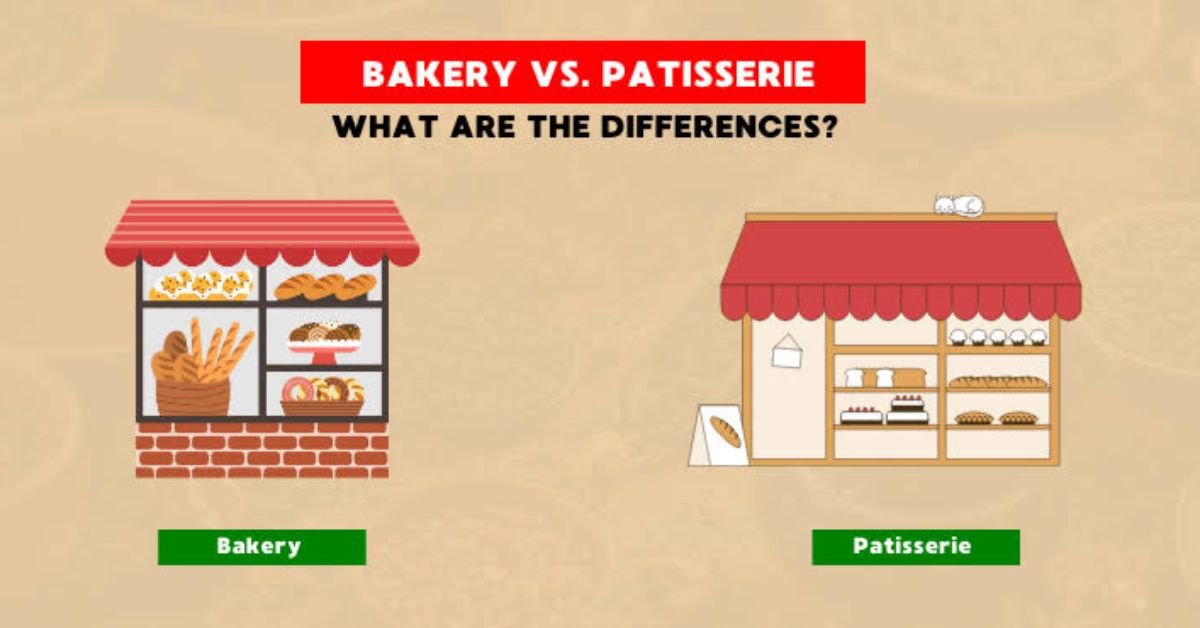
Knowing how different food businesses operate like checking a detailed comparison of a bakery vs patisserie helps you figure out exactly what kind of equipment you need.
From heavy-duty dough mixers to delicate pastry tools, your gear has to match your menu perfectly.
Figuring Out Your Production Goals
Before you start browsing through machines or talking to factory suppliers, you need a clear plan of what you actually want to make. Are you trying to mass-produce hundreds of loaves of bread on an automated line, or are you baking delicate, small-batch pastries by hand? Your answer changes the entire setup of your kitchen.
If you are running a high-volume business, your main focus is speed and keeping things moving without a lot of hands-on work. For a setup like this, you want automated systems that handle everything from cutting the dough to proofing and baking it all on their own.
On the other hand, a small boutique shop or a specialized pastry kitchen needs machines with adjustable speeds. These give you better control over delicate batters and layered doughs so you don’t overwork your Items.
Must-Have Commercial Mixers
The mixer is easily the most important machine in any commercial kitchen. If your dough isn’t mixed right at the very beginning, no amount of resting or high-tech baking can fix it later. Commercial bakeries usually rely on three main types of mixers, depending on what kind of dough they are making:
-
Spiral Mixers: These are a bread baker’s best friend. Instead of an open bowl with a spinning hook in the middle, a spiral mixer has a bowl that rotates while the spiral hook stays in one place to gently work the dough. This keeps the dough from getting too warm, which prevents the yeast from activating too early and helps build a perfect crust and crumb structure.
-
Planetary Mixers: Think of this as the ultimate all-rounder. The mixing attachment moves around inside a still bowl, a lot like how a planet spins around the sun. You can easily swap out the attachments—like using whisks, paddles, or hooks—making it perfect if you make a little bit of everything, from cakes and cookies to whipped cream and light doughs.
-
Horizontal Mixers: These are built for massive factories. Horizontal mixers can hold giant batches of dough, sometimes over a thousand pounds at once. They use heavy-duty internal bars to mix dough incredibly fast, which is why you see them in large industrial factories making sandwich bread and burger buns.
Getting the right size is just as important as choosing the right style. If you run a huge mixer with only a tiny bit of dough, the ingredients won’t blend evenly because the hook can’t reach them properly.
On the flip side, cramming too much dough into a small mixer forces the motor to work too hard, causing it to overheat, ruin the dough texture, and break down way before its time.
Choosing Your Commercial Oven
Once your dough or batter is mixed and shaped, the next big step is the baking process. Commercial ovens come in all shapes and sizes, and the one you choose depends entirely on what you plan to bake:
Deck Ovens
Artisan bread bakers absolutely love these. Deck ovens use heavy stone shelves heated by gas or electricity. You place the dough directly onto the hot stone, which instantly transfers heat right into the bottom of the loaf. This is what gives bread its thick, crispy crust and great rise.
Many high-end deck ovens also come with built-in steam systems. This steam is what creates that beautiful, shiny finish on the outside of crusty breads.
Convection Ovens
These ovens use built-in fans to blow hot air evenly all around the inside. Convection baking is fast, super efficient, and amazing for cookies, pies, pastries, and cakes. It gets rid of hot spots, meaning you can bake multiple trays at the exact same time and everything comes out looking uniform.
Just keep an eye on plain bread doughs, as the moving air can dry them out if left in too long.
Rack Ovens
If you need to bake a massive amount of food fast, rack ovens are the way to go. Instead of sliding in individual trays, workers wheel an entire tall rack full of trays directly into the oven. The machine then lifts and spins the whole rack around inside while releasing steam, making sure every single item bakes perfectly evenly.
This setup saves a ton of manual effort and keeps big kitchen operations running smoothly.
Working with Machinery Manufacturers
As a bakery business grows, standard, ready-made machines often won’t fit a unique kitchen layout or match a specific recipe. This is where working directly with an experienced factory supplier like mirabake.com makes a huge difference.
Talking directly to the factory engineers allows you to tweak your equipment so it fits your exact floor space and matches your kitchen’s power supply perfectly.
Good food machinery manufacturers offer custom options. This means they can easily change bowl sizes, add stronger motors, or design custom conveyor setups that match the way your staff works.
Plus, buying straight from a dedicated food equipment company makes it much easier to grab replacement parts or set up regular maintenance, keeping your kitchen running smoothly without costly delays.
Keeping Your Food Machinery in Top Shape
Buying high-quality food machinery is a big investment, and taking care of it is the only way to protect your money. If you skip regular upkeep, you’ll quickly end up with uneven food quality, expensive repair bills, and wasted kitchen hours.
Here are the basic maintenance steps you should follow:
-
Safety First (Always Turn It Off): Before you clean, inspect, or oil any machine, shut it down completely and unplug it from the wall. This stops the machine from accidentally turning on while you are working on it.
-
The Daily Deep Clean: Wash away all flour dust, dough bits, and grease using food-safe cleaners. Leaving leftover food or flour in the gears and seals causes friction, wears out parts fast, and creates big hygiene issues.
-
The Weekly Parts Inspection: Take a few minutes every week to check belts, seals, rubber rings, and mixing tools for small cracks or loose parts. Change out these worn-out pieces early before they break down completely in the middle of a busy shift.
-
The Monthly Oil Check: Apply certified, food-grade lubricants to all moving chains, bearings, and gear setups. This keeps everything running smoothly without any risk of contaminating your food ingredients.
Checking Quality and Cleanliness Standards
In a commercial kitchen, keeping things clean is just as important as how fast a machine runs. Any high-quality food machine should be made mostly from food-grade stainless steel.
This type of metal easily handles constant contact with water, harsh cleaning chemicals, and natural food acids without rusting or pitting over years of rough daily use.
When buying gear, look for smooth surfaces and tightly sealed joints rather than lots of deep cracks and hidden gaps. Bacteria and mold love to grow in those tiny spots where moisture and flour dust get trapped.
Also, picking machines that can handle high-pressure water sprays makes cleanup at the end of a long shift much faster and way more thorough.
Balancing Automation with Your Budget
As your kitchen gets busier, automating repetitive tasks is the smartest way to keep labor costs under control. Today’s industrial equipment comes with easy touchscreen controls that store all your recipes.
These systems automatically change mixing speeds, resting times, baking temperatures, and steam levels. This means even a brand-new employee can get the exact same perfect results as an expert baker.
But you don’t have to automate everything at once, especially if you are watching your budget. It is usually smarter to automate your biggest headaches first—like heavy dough mixing or fast dough cutting—while keeping a human touch for the final decorating and styling where handmade details actually add value.
Balancing your machine choices with your long-term goals will help you build a highly profitable, smooth-running kitchen.