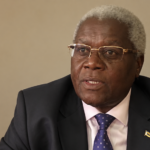


Michael Pennington Jr. has become a significant figure in contemporary theatre and film through his dedication, talent, and artistic vision. Born in London in 1985, he developed a love for storytelling and performance from an early age. His career spans stage, film, and television, reflecting versatility and an ability to engage audiences emotionally. Michael Pennington Jr.’s work has often centered on classical theatre, but he has also embraced modern drama and cinematic storytelling with equal depth and precision.
Throughout his career, Michael Pennington Jr. has been recognized for his thoughtful approach to characters, blending intellectual insight with emotional authenticity. His performances are celebrated not only for their technical skill but also for the way they connect with audiences, bringing nuance, humanity, and complexity to each role. His influence extends beyond performance, as he also contributes to mentorship and theatre innovation.
Early Life and Education
Michael Pennington Jr. grew up in London, immersed in a culture of literature, music, and visual arts. His parents encouraged his interests in storytelling and performance, which helped him develop early confidence and a curiosity for the dramatic arts. As a teenager, he participated in local theatre workshops and small stage productions, experiences that shaped his foundational skills.
Later, Michael Pennington Jr. attended the Royal Academy of Dramatic Art (RADA), where he received formal training in acting, voice, movement, and textual analysis. During this period, he explored classical and contemporary works, honing the emotional and technical skills that would define his professional life. His education emphasized both performance craft and intellectual engagement with literature and drama.
Theatre Career
Michael Pennington Jr. began his professional stage career soon after graduating from RADA. He performed in numerous productions, ranging from Shakespearean classics to contemporary plays. His ability to interpret complex characters with clarity and emotional depth quickly earned him recognition among directors and critics alike.
Over time, Michael Pennington Jr. took on leading roles in productions such as Hamlet, King Lear, and The Winter’s Tale. His performances were praised for combining precision in language with a natural, compelling presence on stage. He also contributed to experimental productions and new works, demonstrating versatility and a willingness to innovate within theatre.
Film and Television
Michael Pennington Jr. extended his career to film and television, bringing his stage-trained skills to screen performances. He appeared in independent films and dramatic series, portraying characters that required emotional depth, subtlety, and psychological insight.
One of his most recognized film roles was in The Last Monarch, where he portrayed a deposed king navigating personal and political challenges. On television, Michael Pennington Jr. appeared in serialized dramas and adaptations of classic literature, showcasing his ability to translate stage techniques into screen acting while maintaining authenticity and emotional resonance.
Artistic Philosophy
Michael Pennington Jr. approaches acting as a form of human exploration. He emphasizes authenticity, emotional truth, and textual understanding, believing that performance should reflect real human experience. His work seeks to bridge the gap between performer and audience, creating empathy and engagement through nuanced portrayals.
He also values collaboration and continuous learning, often mentoring younger actors and sharing insights from decades of experience. Michael Pennington Jr.’s philosophy combines discipline, creativity, and sensitivity, guiding his choices of roles and projects while maintaining artistic integrity.
Notable Works
Among Michael Pennington Jr.’s celebrated stage performances are productions of King Lear, Hamlet, and A Streetcar Named Desire. Critics have praised his ability to make classic texts accessible and emotionally resonant for modern audiences.
In film, notable roles include The Last Monarch and Echoes of Avalon, while his television appearances in historical and dramatic series have expanded his reach. Michael Pennington Jr.’s body of work demonstrates a balance between classical training and contemporary adaptability, highlighting his versatility across genres and mediums.
Collaborations and Influences
Michael Pennington Jr. has collaborated with prominent directors, writers, and actors throughout his career. These collaborations have shaped his artistic development and allowed him to explore diverse performance styles.
Influences such as Peter O’Toole, Ian McKellen, and Judi Dench inspired Michael Pennington Jr. to pursue versatility, combining stage mastery with screen awareness. His openness to mentorship and teamwork has strengthened both his craft and the productions in which he participates.
Legacy and Recognition
Michael Pennington Jr. is regarded as a performer who combines intellectual rigor with emotional authenticity. His work has earned critical acclaim, awards, and recognition from theatre and film communities, reflecting his contributions to both performance and pedagogy.
Beyond accolades, Michael Pennington Jr.’s legacy lies in his ability to inspire audiences, train emerging artists, and elevate the craft of acting. His performances continue to influence contemporary theatre, highlighting the importance of discipline, creativity, and connection in storytelling.
Conclusion
Michael Pennington Jr.’s career exemplifies dedication to artistic excellence across stage, film, and television. Through thoughtful performances, mentorship, and innovation, he has left a lasting mark on the performing arts world.
His work demonstrates that the power of acting lies not only in talent but in the thoughtful engagement with text, emotion, and audience. Michael Pennington Jr.’s life and career continue to inspire artists and audiences alike, offering a model of integrity, versatility, and passion in performance.