
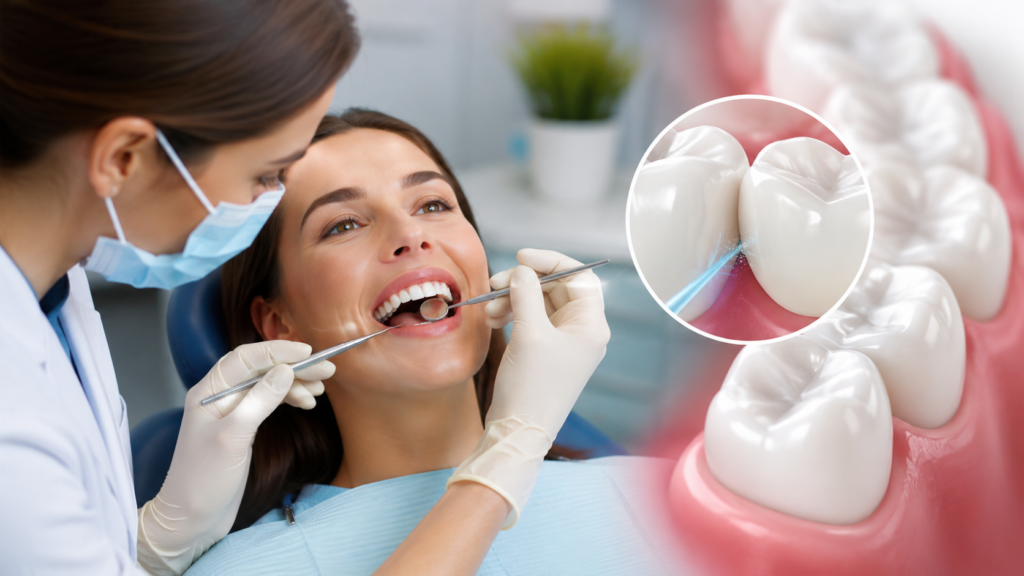

Cavities between teeth can be difficult to notice because they often form in tight spaces where toothbrush bristles cannot reach well. Food particles, plaque, and bacteria can accumulate between teeth and gradually weaken the enamel before pain or visible damage appears. A dentist helps prevent these hidden cavities through regular exams, cleanings, X-rays, fluoride guidance, and personal oral care advice. Early prevention matters because small areas of decay can grow into larger problems if ignored. With the right dental support, patients can protect their teeth, reduce future treatment needs, and maintain a healthier smile.
Protecting Tight Spaces
- Finding Early Decay Before It Spreads
A dentist helps prevent cavities between teeth by finding early signs of enamel damage before the problem becomes painful or visible. These areas, called interproximal spaces, are difficult to check at home because they sit between tooth surfaces. A person may brush daily and still miss plaque that collects where teeth touch. During an exam, the dentist can look for discoloration, soft spots, gum changes, and areas where floss catches or shreds. Dental X-rays may also reveal early decay that cannot be seen during a visual check. Patients visiting Dentists in Abbotsford can benefit from routine exams because early detection allows smaller concerns to be handled before decay reaches deeper layers of the tooth. When small weak spots are found early, the dentist may recommend fluoride, better flossing habits, or monitoring instead of waiting until a filling or more involved care becomes necessary.
- Removing Plaque That Brushing Misses
Even careful brushing cannot remove all plaque from between teeth, especially when teeth are crowded, slightly overlapping, or difficult to floss. Dental cleanings help prevent cavities by removing plaque and hardened tartar that build up around the edges of teeth and the gumline. Tartar cannot be brushed away at home once it hardens, and it can trap bacteria near the spaces between teeth. A dental hygienist uses tools to clean these areas more thoroughly, helping reduce the bacterial buildup that leads to enamel breakdown. Cleaning appointments also give the dental team a chance to identify habits that may be contributing to decay, such as skipping flossing, sipping sugary drinks, or brushing too quickly. When plaque is removed regularly, the surfaces between teeth stay healthier and are less likely to develop cavities. Cleanings also make home care easier because smooth tooth surfaces collect less debris and allow floss to move more effectively.
- Teaching Better Flossing and Home Care
A dentist helps patients prevent between-teeth cavities by teaching home care methods that match the patient’s mouth. Some people struggle with traditional floss because of tight contacts, braces, bridges, dental work, or limited hand movement. A dentist or hygienist can suggest other options, such as floss picks, interdental brushes, water flossers, or threaders when appropriate. The goal is to help the patient clean the spaces that brushing alone cannot reach. Proper technique matters because snapping floss into the gums or missing the tooth curve can leave plaque behind. Dental guidance can show how to gently move the floss along each side of the tooth and below the gumline without irritating. Patients also learn how often to floss, when to replace tools, and how to recognize bleeding or soreness that should be checked. Better home care reduces plaque between teeth and supports stronger long-term cavity prevention.
- Strengthening Enamel With Fluoride Support
Fluoride can help strengthen enamel and make teeth more resistant to acid attacks from bacteria. A dentist may recommend fluoride toothpaste, fluoride rinses, or in-office fluoride applications depending on the risk of cavities. This can be especially helpful for patients who often develop cavities between their teeth, have dry mouth, wear orthodontic appliances, or consume sugary or acidic drinks. When plaque bacteria feed on sugars, they create acids that weaken enamel. Fluoride helps support the repair process in early weakened areas before decay becomes a deeper cavity. A dentist can also explain how toothpaste should be used, why rinsing vigorously right after brushing may reduce fluoride contact time, and whether fluoride-added products are suitable. This guidance helps patients avoid guessing. Strengthening enamel does not replace cleaning between teeth, but it adds another layer of protection for areas that are harder to reach during daily brushing and flossing.
- Reviewing Diet and Dry Mouth Risks
Cavities between teeth are often linked to daily habits that expose enamel to repeated acid attacks. A dentist can review diet patterns and help patients understand how frequent snacking, sweet drinks, sticky foods, sports drinks, and acidic beverages affect the spaces between teeth. The issue is not only how much sugar someone consumes but also how often their teeth are exposed throughout the day. Dry mouth can also increase the risk of cavities because saliva helps wash away food particles and neutralize acids. Certain medications, dehydration, mouth breathing, and health conditions can reduce saliva flow. A dentist can identify these risks and recommend practical changes, such as drinking more water, adjusting snack timing, using sugar-free gum, or discussing dry mouth products when needed. By connecting daily habits to oral health, the dentist helps patients protect enamel in areas where cavities often form.
- Using Sealants and Monitoring High-Risk Areas
While sealants are often used on chewing surfaces, dentists may also monitor high-risk spaces between teeth and recommend preventive care based on tooth shape, spacing, and history of cavities. Some patients have deep grooves, tight contacts, crowding, or past dental work that makes certain areas more vulnerable. Regular monitoring helps the dentist detect changes over time rather than waiting for pain. If a tiny area looks suspicious, the dentist may take X-rays at recommended intervals, apply fluoride, or suggest improved cleaning tools for that exact spot. This focused approach helps prevent unnecessary treatment while still protecting the tooth. Patients with braces, retainers, bridges, or partial dentures may need closer attention because these appliances can trap plaque near tooth surfaces. By carefully monitoring problem areas, the dentist can help prevent small concerns from becoming larger cavities that require more time, cost, and discomfort to repair.
A dentist helps prevent cavities between teeth by detecting early decay, cleaning hidden plaque, teaching better flossing methods, strengthening enamel, reviewing diet risks, and monitoring vulnerable areas. These tight spaces can be easy to miss at home, so regular dental visits play an important role in prevention. Small changes in daily habits can also make a major difference when guided by dental advice. By combining professional care with consistent brushing and cleaning between the teeth, patients can reduce the risk of cavities and protect their smiles over the long term.