
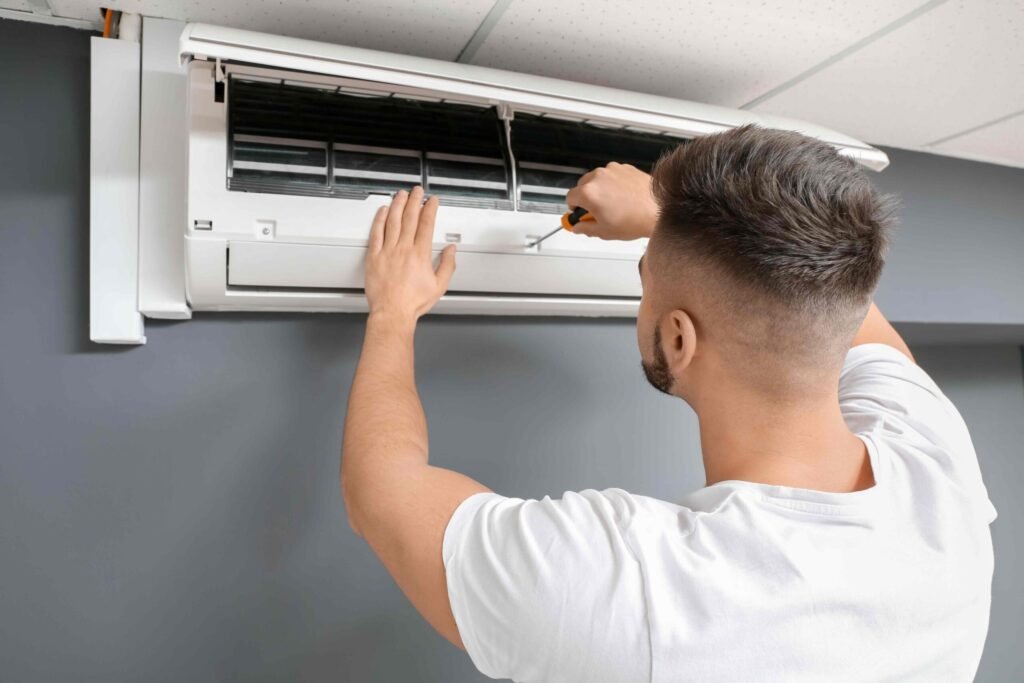

Homeowners often schedule heating and cooling service visits to keep indoor environments steady, efficient, and comfortable throughout the year. During these appointments, technicians typically arrive with tools and a structured approach to evaluate system condition, airflow, and safety. They may inspect components, listen for unusual sounds, and review thermostat performance to understand how the system operates under normal household use.
These visits also provide an opportunity to identify small issues before they grow into larger concerns that affect comfort or energy use. Understanding what happens during these visits helps homeowners feel more prepared and confident when service professionals arrive at their home.
What Happens During a Service Visit
-
What Homeowners Should Expect
Technicians usually begin a service visit by arriving within a scheduled time window and introducing themselves to the homeowner. They may briefly confirm the reported issues and ask about recent performance changes, such as uneven cooling, unusual noises, or rising energy bills. Before touching any equipment, they often prepare the workspace by placing protective coverings near indoor units and ensuring clear access to key components. This step helps prevent mess and supports safe handling of system parts. Homeowners may be asked to provide access to thermostats, outdoor units, and utility areas.
During this stage, communication is important because it sets the tone for the rest of the visit and ensures that the technician has a clear understanding of the concerns. A careful start like this helps create an organized workflow that supports accurate assessment and efficient service delivery throughout the appointment. It also helps reduce delays once diagnostic steps begin.
-
During the Initial System Check
Technicians move into a detailed evaluation phase after the initial walkthrough, focusing on how the heating and cooling system performs under normal operating conditions. They often check airflow strength, temperature consistency across vents, and the condition of filters and coils. Electrical connections may be reviewed to ensure safe operation, and sensors are tested for accurate readings. In some cases, minor adjustments are made to improve immediate performance while deeper inspection continues. This stage is where many hidden issues are identified, including worn components or restricted airflow pathways that may not be obvious to homeowners.
For residents seeking HVAC and Air Conditioning Services in Carlsbad, this careful diagnostic process helps maintain system reliability through seasonal changes. Technicians rely on both observation and measurement tools to build a complete picture of system health. The goal is to ensure that all parts work together efficiently without unnecessary strain on equipment. This reduces the likelihood of unexpected breakdowns later.
-
Maintenance and Cleaning Procedures
Technicians also perform maintenance tasks during service visits that support system longevity and steady performance. These tasks may include cleaning internal components, replacing air filters, and clearing debris from outdoor units. Coils are inspected for buildup that can restrict heat transfer, and drainage lines are checked to prevent blockages that could lead to moisture issues. Attention is given to airflow pathways to ensure air moves smoothly throughout the system. Even small amounts of dust or buildup can reduce efficiency over time, so regular attention to these areas is important.
Homeowners benefit from these steps because they help maintain consistent indoor temperatures and reduce strain on system components. Maintenance work also provides insight into how the system has been used between visits, which can guide future adjustments. Proper cleaning and upkeep help extend equipment lifespan while maintaining stable performance across seasons, supporting long-term operational consistency and reliability.
-
Indoor Comfort and Airflow Adjustments
During service visits, adjustments to airflow and indoor comfort settings are often made to improve the even distribution of air throughout the home. Technicians may evaluate ductwork performance and identify areas where airflow is restricted or uneven. Thermostat calibration is sometimes checked to ensure temperature readings match actual room conditions. Small modifications, such as adjusting vent direction or balancing airflow between rooms, can make noticeable differences in comfort levels. These adjustments are based on observations gathered during the diagnostic phase and are tailored to the home’s layout and system design. Homeowners may notice improved temperature consistency after these refinements are completed.
The process also helps reduce strain on the system by preventing overworking in certain zones. Maintaining balanced airflow contributes to both comfort and efficiency, especially during periods of heavy system use in extreme weather conditions. These improvements often create a more stable indoor environment across rooms over time.
-
Safety Checks and System Compliance
Service visits also include safety checks that ensure equipment operates within safe parameters and complies with general operational standards. Technicians may inspect electrical wiring for wear, test safety switches, and confirm that system components are properly secured. Gas-powered systems receive additional attention to detect potential leaks or ventilation concerns. These checks are important because they help prevent hazards that could affect both equipment and household safety. In some cases, technicians may recommend adjustments or repairs if conditions do not meet safe operating expectations.
Attention to safety extends beyond immediate operation and includes evaluating the long-term reliability of system components. Homeowners benefit from these checks because they reduce risks associated with unnoticed faults or aging equipment. A thorough safety review supports consistent performance and helps maintain peace of mind throughout seasonal use. Proper documentation of findings also helps guide future maintenance decisions, supporting long-term system reliability and safety.
-
Customer Interaction and Final Review
At the end of a service visit, technicians typically review all findings with the homeowner in a clear and straightforward manner. They explain what was inspected, any issues found, and the actions taken during the visit. If repairs or adjustments were completed, they may describe how these changes improve system performance or efficiency. Homeowners are often given recommendations for continued care between visits, helping them maintain steady operation until the next scheduled service. This stage also provides an opportunity for questions, allowing homeowners to clarify concerns or better understand how their system works.
A final system test may be conducted to confirm that everything is functioning properly before the visit concludes. This wrap-up process ensures transparency and helps build confidence in the service provided. Clear communication at this stage supports better understanding and long-term system awareness, fostering homeowners’ overall satisfaction and trust over time.
Homeowners benefit from understanding what happens during professional HVAC service visits, as it helps them know what to expect from start to finish. These visits are structured to evaluate system performance, address minor concerns, and improve overall operation through careful attention to detail. Each stage, from arrival to final review, contributes to maintaining consistent indoor comfort and safe system use.
When homeowners stay informed, they can better recognize changes in system behavior and schedule timely service when needed. This awareness supports long-term equipment reliability and efficient energy use throughout different seasons of the year for ongoing home comfort overall.